The 80/20 Rule of Eating: How Flexibility Beats Perfection for Long-Term Muscle
Let me paint you a picture. It's Saturday night. Your buddies are going to that barbecue place downtown — the one with the brisket that actually makes you emotional. You've got your macros set for the day, your meal prep is sitting in the fridge, and you're doing the mental math on whether pulled pork fits into your tracking app.
If that scenario gives you genuine anxiety, we need to talk.
The culture around "clean eating" in the lifting community has quietly crossed a line from discipline into dysfunction. Somewhere between the rise of macro tracking apps and the explosion of meal prep content on social media, a lot of serious gym-goers started treating any deviation from their plan as a catastrophic failure. And that all-or-nothing mindset? It's burning people out and sending them backward.
The 80/20 approach to nutrition isn't a cheat code or a compromise. It's actually the smarter long-term strategy — and it's one that high-performing lifters have been using for years, whether they called it that or not.
What 80/20 Actually Means
The concept is straightforward. Roughly 80% of your nutrition comes from whole, nutrient-dense foods that support muscle growth, recovery, and performance. Lean proteins, complex carbohydrates, healthy fats, plenty of vegetables — the stuff that actually fuels serious training. The other 20% is real life. A burger at a cookout. Pizza on a Friday night. A few beers at a game. That slice of birthday cake at your kid's party.
This isn't permission to eat garbage a fifth of the time. It's permission to be a human being while still taking your nutrition seriously.
The math actually works in your favor. If you eat five times a day, that's 35 meals a week. Eighty percent of 35 is 28 meals. If 28 of those are dialed in — quality protein sources, good carbs timed around your training, enough fat to support hormonal health — you are doing an excellent job. Seven meals with some flexibility built in aren't going to erase that foundation.
Why Perfection Is the Enemy of Progress
Here's what actually happens when lifters chase perfect nutrition: they do great for three or four weeks, hit a social situation they can't control, feel like they've blown the whole thing, and then completely abandon their nutrition approach until the guilt wears off enough to start over. This cycle — sometimes called the "all-or-nothing trap" — is one of the most common reasons people spin their wheels for years without meaningful progress.
Dietitian and strength coach Kara Flemming, who works with competitive powerlifters and recreational lifters alike out of her practice in Denver, puts it bluntly: "The best diet is the one you can actually stick to. I've watched clients with technically perfect macros make less progress than clients who were less precise but far more consistent. Consistency over time beats precision every single time."
That's not an argument against tracking or against caring about what you eat. It's an argument against letting the perfect become the enemy of the good.
Practical Strategies for the Real World
When you're dining out: You don't need to interrogate the server about cooking oils. Pick a protein-forward entree, ask for the sauce on the side, skip the bread basket if you're not hungry for it, and enjoy your meal. Steak, grilled chicken, salmon — most restaurant menus have solid options. Order them, eat them, move on.
At social events: Eat something solid before you go. A protein shake and some fruit before a party means you're not arriving ravenous and staring down a cheese board like it's the enemy. You can have a reasonable plate of food and a couple drinks without it becoming a nutritional disaster.
On the road: Gas stations and airport terminals have gotten dramatically better. String cheese, beef jerky, hard-boiled eggs, nuts, Greek yogurt — these aren't gourmet options but they keep you on track when you're traveling. Plan ahead and you won't be stuck making desperate choices.
When life genuinely gets hard: Illness, stress, family emergencies — sometimes the meal prep doesn't happen and the week goes sideways. In those moments, the goal is minimum viable nutrition. Keep your protein intake up, don't let yourself go completely off the rails, and get back to your normal approach as soon as things stabilize. One rough week doesn't undo months of solid work.
What the 80% Foundation Should Actually Look Like
Since the foundation is where the real work happens, it's worth being specific about what that means for someone training seriously.
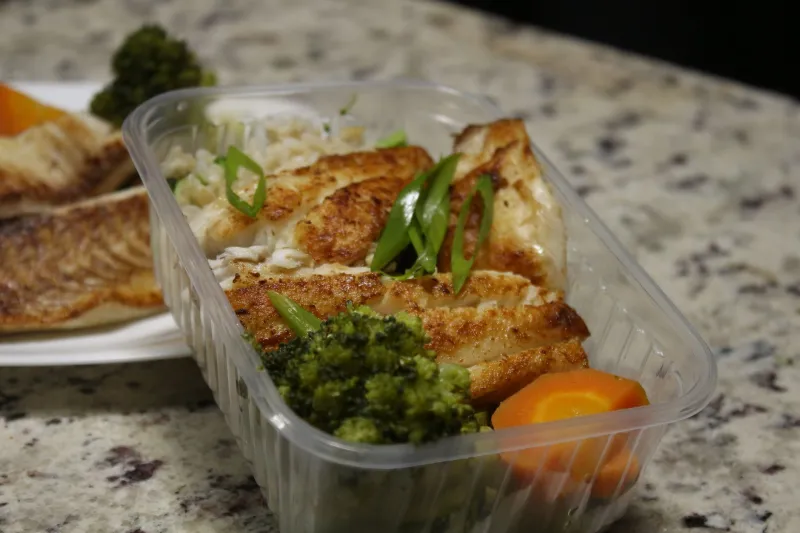
Protein is non-negotiable. Aim for somewhere in the range of 0.7 to 1 gram per pound of bodyweight daily. Chicken breast, ground turkey, eggs, Greek yogurt, cottage cheese, canned tuna, salmon, lean beef — rotate through quality sources and hit your number consistently.
Carbohydrates fuel your training. Rice, oats, potatoes, sweet potatoes, fruit, whole grain bread — these aren't the enemy. Eat them around your training sessions when your body can put them to work.
Fats support hormonal function, including the testosterone production you need to actually build muscle. Avocado, olive oil, whole eggs, nuts, fatty fish — don't fear them, just don't let them crowd out your protein.
Vegetables are the unglamorous backbone of good nutrition. They support digestion, provide micronutrients, and help you actually feel like a functional human being. Eat them.
The Burnout Cost Nobody Talks About
There's a psychological toll to obsessive clean eating that the fitness industry doesn't like to acknowledge. When food becomes a source of constant anxiety and moral judgment — when eating a slice of pizza makes you feel like you've failed — that's not discipline. That's a relationship with food that's going to cost you eventually.
Lifters who sustain great physiques over years and decades are almost universally people who've found a way to make good nutrition a normal part of their life rather than a constant battle against it. They eat well most of the time because it makes them feel and perform better, not because they're terrified of what happens if they don't.
That's the mindset shift 80/20 is really about. Build a solid foundation, give yourself room to be a person, and stay consistent over the long haul. That's what actually builds a physique worth having.