Meal Prep Without the Misery: A Real Lifter's Guide to Eating for Gains
Nobody's Winning With Flavorless Chicken Breast
Let's establish something right away: eating for muscle is not supposed to be a punishment. Somewhere along the way, the fitness world decided that suffering through bland, colorless food was a sign of discipline. It's not. It's just bad planning.
The goal of meal prep is simple — have the right food ready when you need it so you don't end up at a drive-through at 9 PM wondering why your lifts are suffering. That's it. It doesn't have to be Instagram-worthy. It doesn't have to be fancy. But it does have to be something you'll actually eat, in quantities that support your training, without making you resent your entire lifestyle.
Here's how to get there.
Start With Protein That Doesn't Make You Sad
Chicken breast is fine. It's not the enemy. But it's also not the only protein source on the planet, and acting like it is will eventually cause you to abandon meal prep entirely.
Budget-friendly proteins that actually work for bulk cooking:
- Chicken thighs — cheaper than breast, harder to dry out, more forgiving in the oven. Season them and forget about them.
- 93/7 ground beef — versatile, fast to cook, works in a dozen different meals. Brown a big batch on Sunday and use it all week in different ways.
- Eggs — still one of the best dollar-per-gram protein sources in any US grocery store. Hard boil a dozen at a time.
- Canned tuna and salmon — not glamorous, but shelf-stable, high in protein, and ready in 30 seconds. Wild Planet and Kirkland both make decent options without breaking the bank.
- Cottage cheese — high protein, low effort, works as a snack or mixed into other things. A large container from Costco goes a long way.
- Greek yogurt — same story. Plain, full-fat, bought in bulk.
The trick is rotating through these so you're not eating the same exact meal every day. Cook your protein in bulk, but vary the seasoning and how you use it. Ground beef in a bowl on Monday looks different from ground beef in a wrap on Wednesday.
Carbs That Don't Require a Chef
This is where a lot of meal preppers overcomplicate things. You don't need artisanal grain bowls. You need carb sources that cook in volume, hold up in the fridge, and don't turn into a sad mush by day three.
- White rice — yes, still. A rice cooker costs $25 and makes four to six servings while you're doing something else. Set it and forget it.
- Oats — overnight oats take five minutes to assemble and keep for four days. Stop skipping breakfast because you're "not hungry" and start eating before your morning session.
- Sweet potatoes — cube them, toss with oil and salt, roast at 400°F for 25 minutes. Done. They hold up well refrigerated and reheat without falling apart.
- Frozen rice packets — for when you don't want to cook anything. Trader Joe's and Costco both carry microwavable rice that's legitimately fine and takes 90 seconds.
- Whole grain bread and tortillas — not every meal needs to be a bowl. Sometimes a wrap with ground beef and avocado is both faster and more enjoyable than another container of rice.
The Container Problem Is Real — Fix It
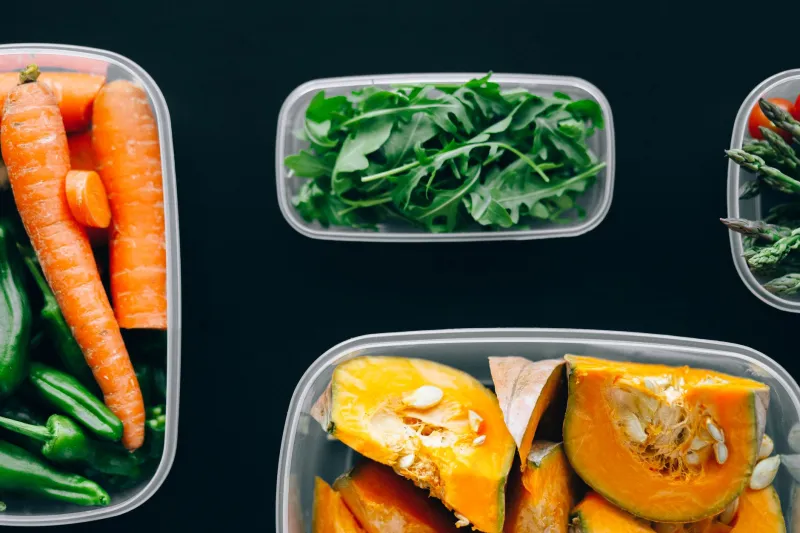
Here's something nobody talks about: bad containers will kill your meal prep habit faster than bad food. If your Tupperware leaks in your gym bag, stains immediately, or falls apart in the microwave, you're going to stop using it. And then you're going to stop prepping.
Invest in a set of glass containers with locking lids. They're heavier, yes, but they don't absorb smells, they microwave safely, and they actually seal. Pyrex makes a solid set available at most Target and Walmart locations. If you want to go plastic, look for containers that are explicitly BPA-free and microwave-safe. Prep Naturals and Rubbermaid Brilliance are both decent options that won't embarrass you when you pull them out at work.
Get containers in two sizes — a larger one for main meals and a smaller one for snacks or sides. That's it. You don't need a specialized 12-compartment bento box situation. Keep it simple.
Why Your "Gains Meals" Might Be Working Against You
Here's the part that might sting a little. A lot of lifters who think they're eating well for their training are actually undermining themselves in a few specific ways:
Underestimating calories without tracking. Eyeballing portions sounds intuitive until you realize your "handful" of almonds is 400 calories and your "medium" chicken breast is actually 3 ounces. If you're trying to gain, you're probably eating less than you think. If you're trying to cut, you're probably eating more.
Prepping food that doesn't fit your actual schedule. If you're not home for lunch on Tuesdays and Thursdays, prepping five lunch containers is going to leave you with two wasted meals every week. Prep around your real life, not an idealized version of it.
Ignoring sodium in pre-made sauces and seasonings. This matters more when you're tracking for competition prep, but it's worth being aware of even in a general muscle-building phase. Many store-bought sauces and marinades are loaded with sodium and added sugar. Reading labels takes 10 seconds.
Skipping vegetables entirely because they're inconvenient. Frozen vegetables exist and they're not a compromise. A bag of frozen broccoli or spinach takes three minutes in the microwave and covers your micronutrient bases without adding significant prep time.
The Sunday Setup That Actually Works
You don't need four hours on Sunday to be set for the week. A realistic, efficient prep session looks like this:
- Start your rice cooker or oven with sweet potatoes first — these take the longest.
- While those cook, brown your ground beef or season your chicken thighs.
- While the protein cooks, portion out your snacks (Greek yogurt, cottage cheese, fruit).
- Assemble containers once everything's done and cooled slightly.
Total active time: about 45 minutes. Total time with things just cooking: under two hours. That's a manageable trade-off for a week of eating that actually supports your training.
The goal isn't perfection. It's consistency. Have food ready, make it tolerable to eat, and stop treating nutrition like a sentence you're serving. Fuel the work. That's what it's there for.