What Your Calluses Know That Your Fitness App Doesn't
Your fitness tracker counts your steps. Your app logs your sets. Your mirror shows you what you want to see on a good day and lies to you on a bad one. But your hands? Your hands don't have an agenda. They just tell the truth.
If you've been training seriously for any length of time, you know the feeling — that rough, almost leathery texture across your palm, the ridge of hardened skin just below your fingers, the spot on your right hand that's thicker than the left because your dominant side works a little harder without you noticing. That's not damage. That's data.
Serious lifters don't apologize for their hands. They read them.
Calluses Are a Training Diary You Wear on Your Body
Here's the thing most gym newcomers don't understand: callus development is one of the most honest indicators of training volume and grip-intensive work you'll ever find. Soft hands belong to people who aren't moving serious weight — or who are moving it all through straps and hooks without ever letting the bar bite back.
Now, that's not a knock on straps as a tool. But if you're using them as a crutch every single session, your hands are staying soft while your grip strength quietly falls behind the rest of your lifts. And that gap will catch up with you.
Calluses form because your skin is adapting — thickening in response to repeated mechanical stress, the same way a muscle grows in response to progressive overload. The location tells you something too. Heavy callusing across the upper palm near the finger base? You're pulling a lot — deadlifts, rows, pull-ups. Callusing toward the heel of the hand? You're pressing and pushing with some serious load. Uneven development between hands? Worth paying attention to. That asymmetry might reflect a movement pattern or muscle imbalance worth investigating.
When Calluses Become a Liability
Here's where it gets practical, because thick skin isn't automatically good skin. There's a version of hand conditioning that works for you, and there's a version that eventually blows up in your face — sometimes literally, mid-deadlift.
When calluses build up too thick and too fast without any maintenance, they become rigid and prone to tearing. You've probably seen it — or lived it — that brutal moment when a heavy pull catches a raised callus wrong and it rips clean off, leaving raw skin underneath and ending your session early. That's not a badge of honor. That's a failure of hand maintenance.
The goal isn't to sand your hands down to baby-smooth. The goal is conditioned skin that's tough enough to handle load but maintained well enough that it doesn't crack, peel, or tear at the worst possible moment.
Building Bulletproof Hands: The Actual Protocol
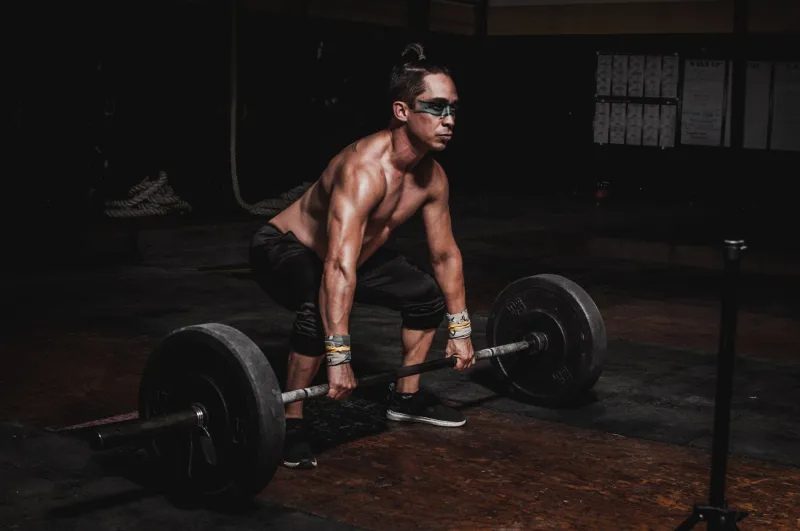
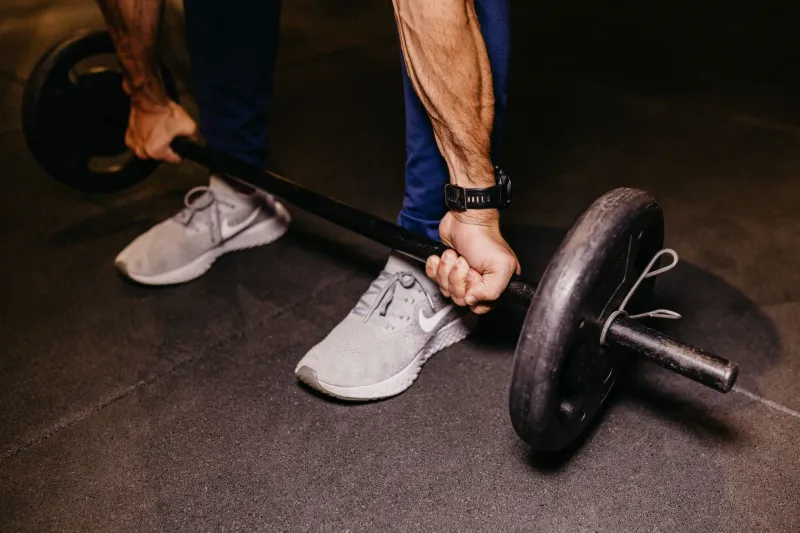
Grip the bar correctly first. A lot of unnecessary callus tearing comes from poor bar placement. The bar should sit across the base of your fingers — not in the middle of your palm. When you wrap your palm around it, you're creating a fold of skin that thickens unevenly and tears under load. Fingers first, then close the hand. It feels different at first, but your hands will thank you within a few weeks.
Use a pumice stone or callus file after hot showers. Once a week is usually enough. You're not trying to remove the callus — you're leveling it. Knock down the high ridges so the skin stays flexible. This is the difference between armor and a brittle shell.
Apply a hand balm or working man's moisturizer before bed. Products like O'Keeffe's Working Hands or even plain beeswax-based balms keep the skin supple without making your grip slippery during training. You're not moisturizing for softness. You're moisturizing for durability. There's a difference.
Train your grip directly — don't just hope compound lifts handle it. Farmer's carries, plate pinches, dead hangs from a pull-up bar, thick bar work if your gym has it — these build grip endurance and hand strength that translates directly to your big pulls. A lot of guys find that their deadlift or row plateau isn't a back problem at all. It's a grip problem wearing a back costume.
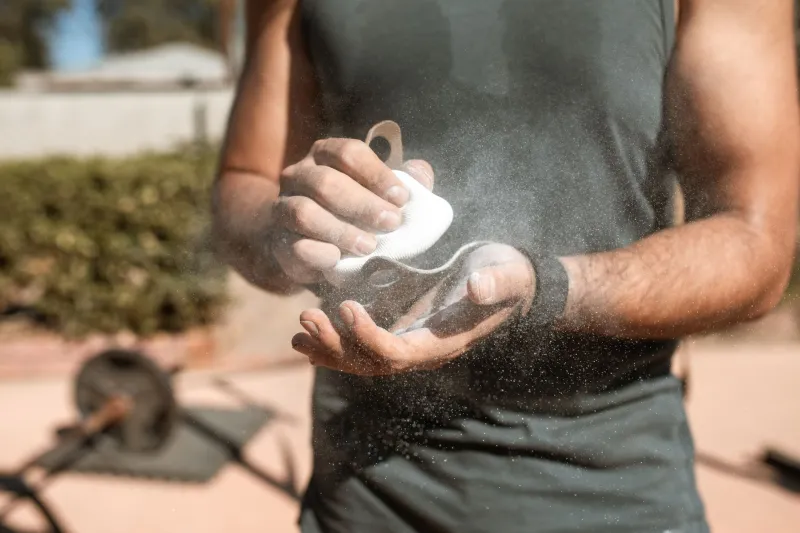
Chalk over straps, when possible. Chalk is your friend. It manages moisture, reduces bar slippage, and lets you build real grip strength. Straps have their place on max effort sets and certain accessory work, but if you're strapping up for warm-up weights, you're leaving grip development on the table every single session.
Grip Strength as a Progress Metric
Here's a reframe worth sitting with: grip strength is a legitimate indicator of overall training progress, not just an accessory quality. Research consistently links grip strength to upper body pulling performance, and experienced coaches will tell you that a lifter who can't hold onto the bar is almost always limited in what their back and legs can actually express.
When your deadlift stalls, check your grip before you blame your posterior chain. When your rows feel weak, ask whether your forearms are fatiguing before your lats get a real workout. The hands are the first link in every pulling chain, and a weak link at the beginning means the rest of the chain never gets fully tested.
The guys moving the biggest weights in any serious gym almost always have the most conditioned hands. That's not a coincidence. It's a pattern.
The Bottom Line
Your mirror will tell you what you look like. Your calluses will tell you what you've actually been doing. Treat them like the progress markers they are — maintain them so they stay functional, develop them through consistent grip-intensive work, and pay attention to what their location and condition are telling you about your training.
Strong hands don't just help you lift more. They're proof that you've been doing the work. And that's something no app or progress photo can fake.